Building better health after 40 doesn't have to mean completely changing your lifestyle. Some of the most meaningful changes can come from small decisions you make repeatedly throughout your day.
Research suggests that staying physically active, eating nourishing foods, getting enough sleep and caring for your emotional health can all contribute to healthier aging.
The challenge isn't always knowing what to do. It's finding ways to make those healthy choices part of your everyday life.
Here are seven simple habits worth exploring.
1. Add More Fiber to the Foods You Already Eat
Rather than completely changing what you eat, look for opportunities to add more nourishment to your existing meals.
Fiber supports digestive health, heart health and healthy blood sugar regulation.
Small changes might include:
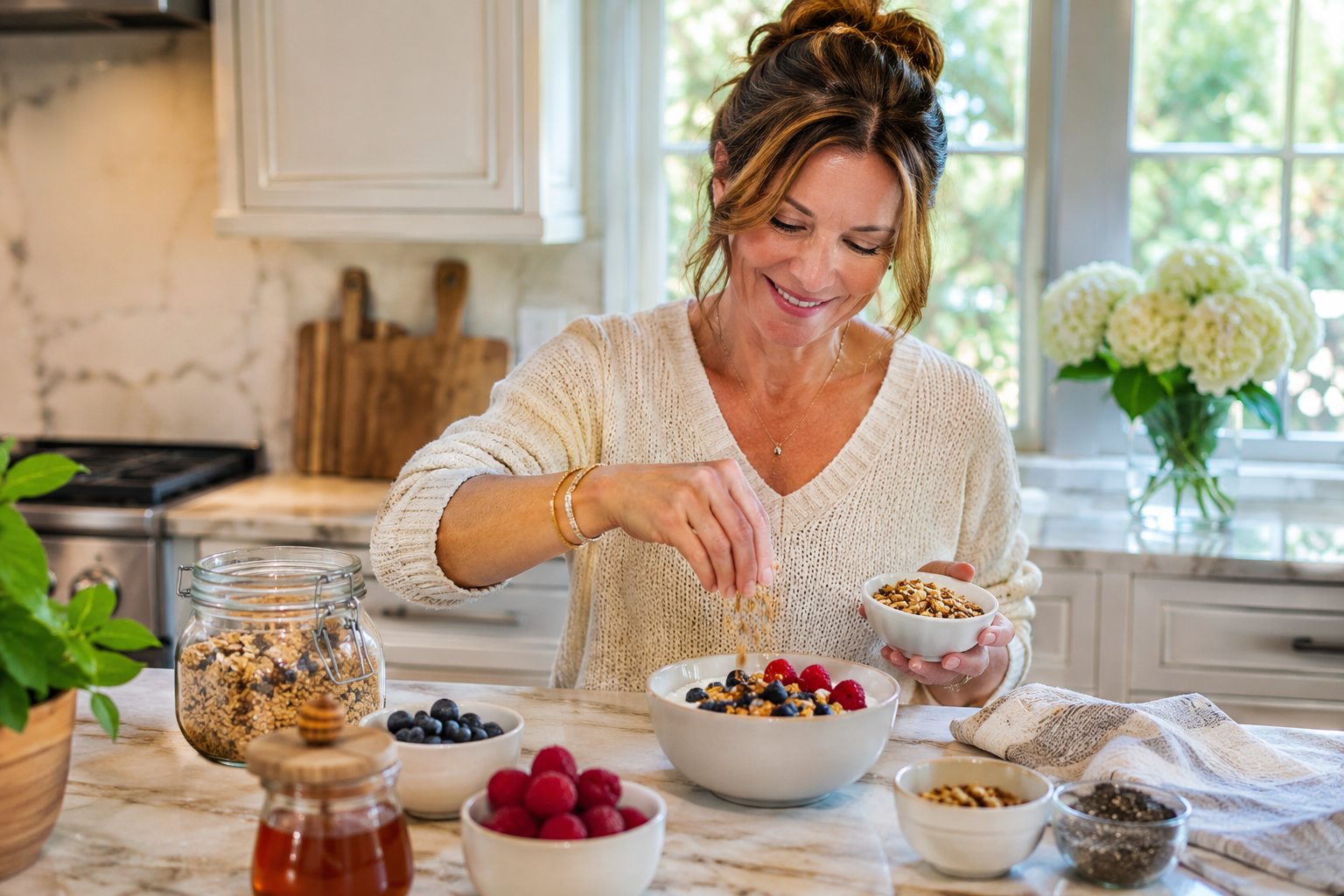
Adding raspberries to your morning yogurt
Mixing lentils into your favorite soup
Adding vegetables to scrambled eggs
Choosing whole grain bread for sandwiches
Sprinkling ground flaxseed over oatmeal
Focus on what you can add rather than everything you think you need to eliminate.
2. Give Your Muscles a Reason to Stay Strong
Maintaining muscle becomes increasingly important as we age. Muscle strength supports mobility, balance, independence and everyday activities.
Strength training doesn't have to involve an expensive gym membership or complicated equipment.
Resistance bands, light weights, gardening and appropriate bodyweight exercises can provide opportunities to build or maintain strength.
Start with activities that suit your abilities and gradually build from there.
3. Find More Opportunities to Move
Physical activity doesn't have to happen during a designated workout.
Look for natural opportunities to move throughout your day.
Take a short walk after lunch, walk while talking on the phone, spend time gardening or take the stairs when practical.
Connecting movement to something you already do can make it easier to remember and repeat.

4. Make Hydration Easier
Sometimes the barrier to drinking water isn't a lack of knowledge. It's simply forgetting.
Instead of relying on reminders throughout the day, make water more accessible.
Keep a water bottle where you spend most of your time, place a glass beside your coffee maker or refill your water bottle when you finish lunch.
Changing your environment can make a healthy choice easier without adding another task to remember.
5. Create a Consistent Evening Routine
Sleep plays an important role in physical and emotional well-being, memory and overall health.
A consistent evening routine can help create a more predictable transition from daytime activities to rest.
Consider choosing a regular bedtime, reducing stimulating activities before bed or creating a quiet space to unwind.
The goal isn't to achieve a perfect night's sleep every night. It's to create conditions that support better rest over time.
6. Make Space for Your Emotional Health
Healthy aging involves more than nutrition and exercise.
Meaningful relationships, enjoyable activities and opportunities to manage everyday stress are important parts of well-being.
Small moments can make a difference:
Enjoying your morning coffee without checking your phone
Calling someone you care about
Spending time outdoors
Making time for a hobby
Taking a few quiet moments between activities
Healthy living should include things that bring enjoyment to your life.
7. Connect New Habits to Existing Routines
One of the simplest ways to introduce a new behavior is to connect it to something you already do regularly.
This approach is often called habit stacking.
For example:
After I make my morning coffee, I will pour a glass of water.
After I finish lunch, I will take a short walk.
After I clear the dinner table, I will prepare something for tomorrow.
An existing routine provides a recognizable cue for the new behavior. With repetition, that connection may become easier to maintain.
How to Make Healthy Habits Last
Trying to introduce seven new habits at once can quickly become overwhelming.
Instead, consider choosing one habit that feels meaningful and realistic for your current circumstances.
Think about:
Why this habit matters to you
When it could fit naturally into your day
What might make it difficult
How you could adapt it when life doesn't go as planned
This is part of the philosophy behind my FLOW™ Framework at Personalized Paths Health Coaching. By simplifying decisions, creating supportive systems and preparing for disruptions, we can make healthier living more manageable.
Start Small. Think Long Term.
Healthy aging isn't about following a perfect routine. It's about creating habits that support the life you want to live.
You don't need to accomplish everything today. Begin with something manageable and give yourself time to practice.
The habits that fit your life are often the ones you have the best chance of maintaining.
Ready to Build Healthier Habits?
I've created the free 7-Day Healthy Habits Starter Kit to help you move from knowing what to do to finding ways to make it happen.
Explore practical tools for identifying barriers, connecting new habits to existing routines, creating a supportive environment and staying consistent when life changes.
It's part of The Healthy Living Collection, five free guides designed to help you eat healthier, build better habits and age well.

About the Author
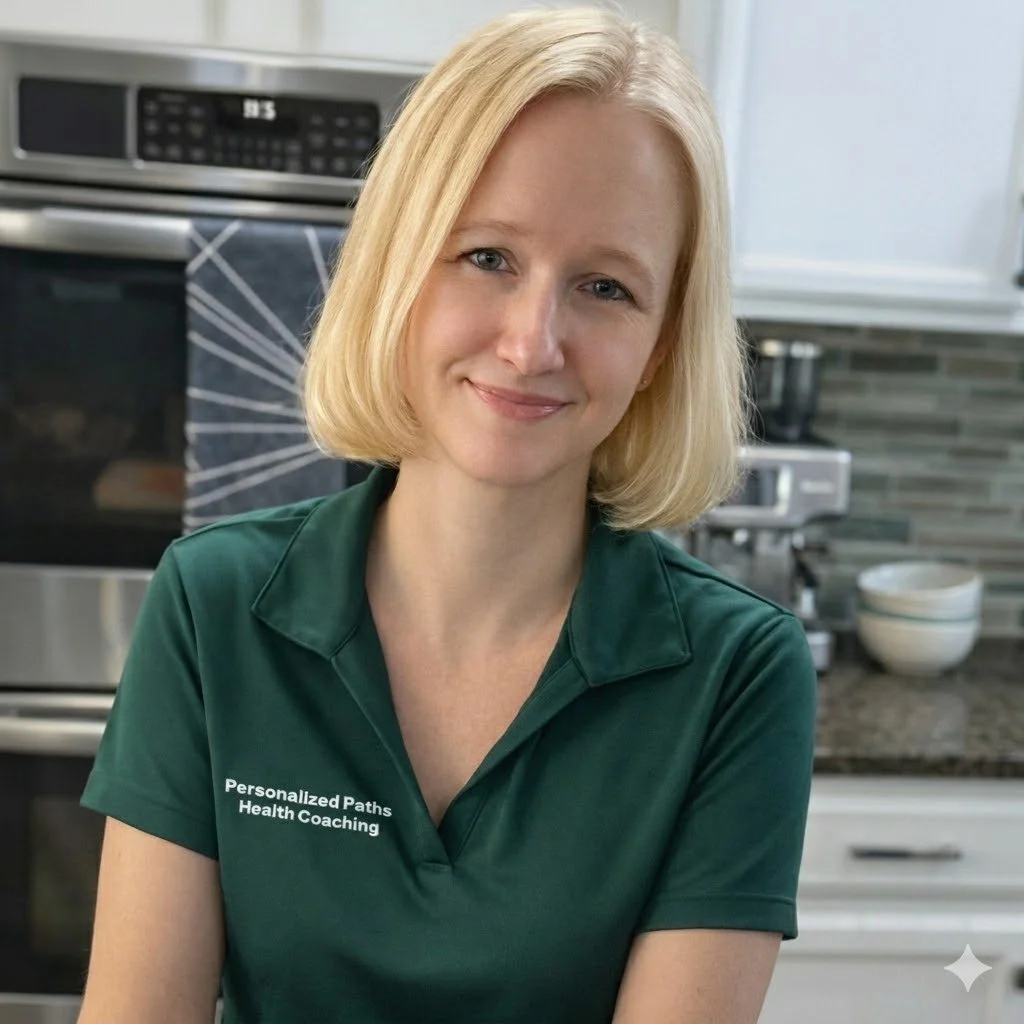
Coach Jess is the founder of Personalized Paths Health Coaching and a National Board Certified Health and Wellness Coach (NBC-HWC). She helps adults over 40 feel their best with practical nutrition education, nourishing recipes and habits that last.
References
Centers for Disease Control and Prevention. Healthy Aging at Any Age.
National Institutes of Health. Healthy Aging.
National Institute on Aging. Tips for Getting and Staying Active as You Age.
Centers for Disease Control and Prevention. Fitting a New Habit Into Your Life.